


Laurie D. Willis
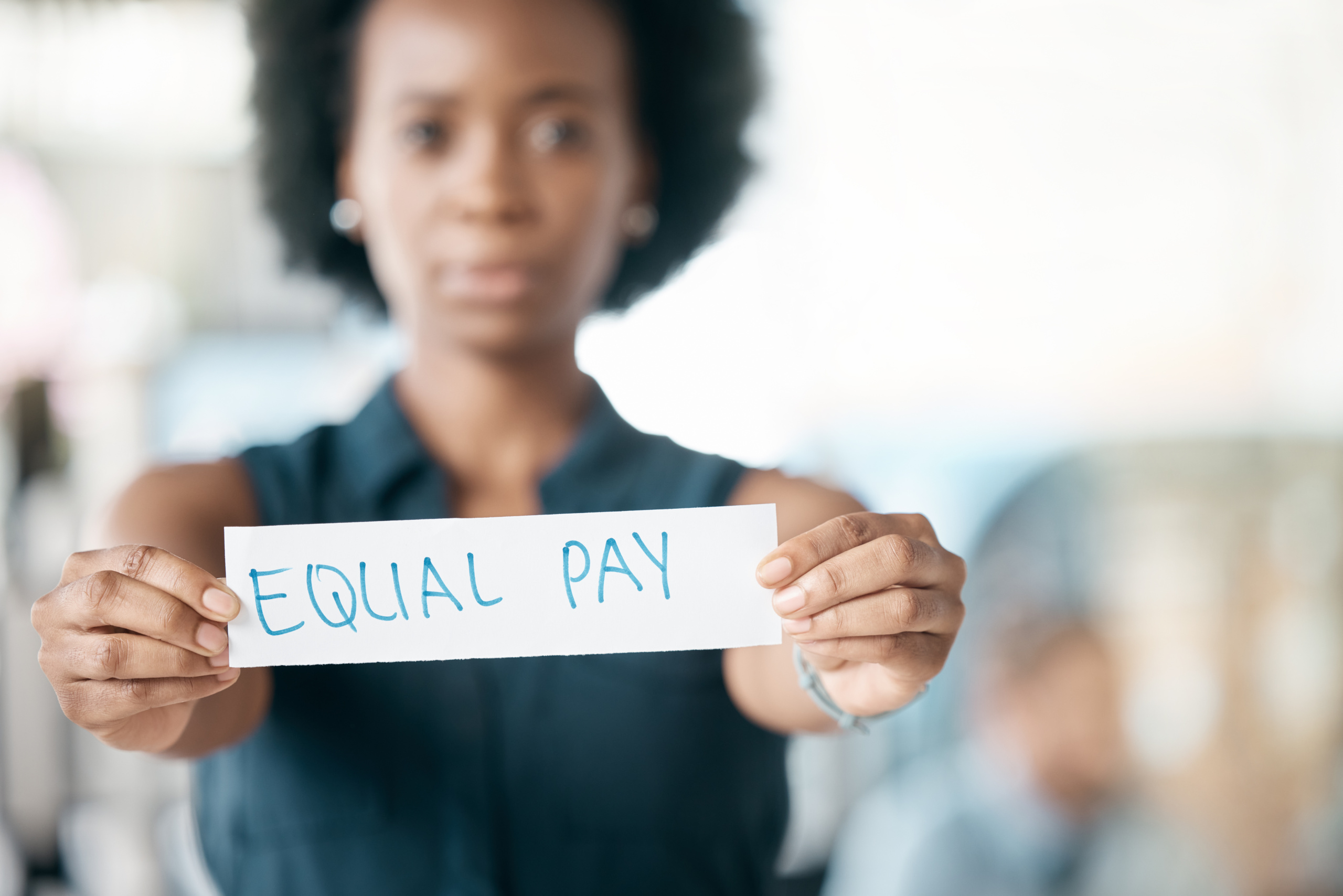
The inequity between men’s and women’s salaries has been discussed for years, though little has been done in America to eradicate the problem. Democratic presidential hopeful Hillary Clinton has vowed to do something about it if she makes it to The White House. And Republican presidential nominee Donald Trump claims to pay female executives as much, and in some cases more, than male executives.
But even if Trump pays his female employees well, most women don’t work for billionaires who can bestow hefty salaries, and women’s pay still lags woefully behind men’s.
“This country has a long history of mistreating women when it comes to salaries,” said Carmen, a social worker in Greensboro, North Carolina. “It’s no secret women can perform the same jobs as men, oftentimes better, yet men are still paid considerably more than women on average. Many politicians talk about the problem, but nothing much seems to be done about it.”
Indeed. The Equal Pay Act of 1963 required that “men and women in the same workplace be given equal pay for equal work.” But in the five decades since its passing, United States wages have not lived up to that.
When President Barack Obama took office in 2009, the first bill he signed was the Lilly Ledbetter Fair Pay Act, which extended the time period in which claimants can bring pay discrimination claims, enabling countless victims of pay discrimination to seek redress where they otherwise could not. Undoubtedly the country’s first African-American president was well-intentioned, but women are still paid less than men in 2016.
The American Association of University Women, or AAUW, was founded in 1881 to advance equity for women and girls through advocacy, education, philanthropy and research. According to AAUW, in 2013 among full-time, yearround workers, women were paid 78 percent of what men were paid. The pay gap exists in every state, AAUW says, but is more profound in some areas of the country than others.
For example, information on AAUW’s website says the best place in the United States for pay equity is the nation’s capital, where women were paid 91 percent of what men were paid in 2013. By contrast, the website lists the worst state in the country for pay equity as Louisiana, where women were paid only 66 percent of what men were paid.
Hopefully the next president will be successful in narrowing the gender pay gap.